Protect Your Home: Essential Services Offered by Licensed Electricians
Licensed electricians provide crucial services that enhance household security. They address common electrical problems and perform routine inspections to uncover existing risks. These experts ensure that all installations adhere to safety requirements while also suggesting improvements to aging systems. Understanding these essential services can avoid emergencies and preserve property value. Homeowners may wonder what specific issues electricians tackle and how to choose the best professional for their situation.
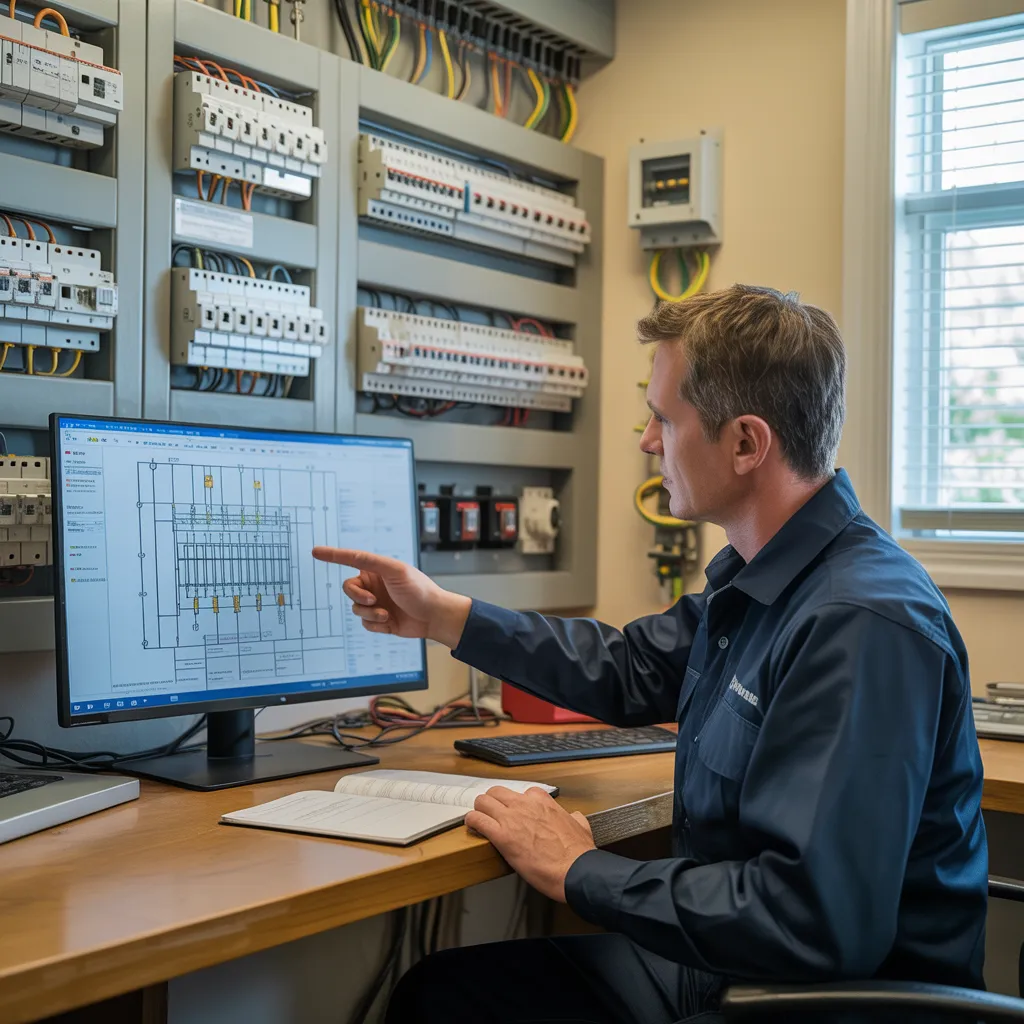
Common Electrical Problems and How to Fix Them
Electrical issues can disrupt daily life, highlighting the need to understand typical concerns and their remedies. Lights that flicker, for instance, are frequently caused by loose bulbs or defective wiring. Reinforcing connections or installing new bulbs can eliminate this concern. Circuits carrying excessive loads, marked by consistent breaker interruptions, can be addressed by spreading appliances across multiple circuits or installing a new electrical panel.
Another prevalent problem relates to outlets that cease to operate, which might be caused by tripped breakers or deteriorated wiring. Checking the breaker and examining the outlet can assist in determining the source of the problem. Finally, ground fault circuit interrupters (GFCIs) may trip unexpectedly due to moisture or faulty devices; resetting the GFCI or substituting defective devices can reestablish proper operation. Recognizing these common electrical problems enables homeowners to address issues promptly, maintaining security and optimal performance within their residences.
Why Regular Electrical Inspections Matter
Even though many homeowners often ignore the importance of scheduled electrical evaluations, these assessments are vital for preserving the safety and functionality of every property. Routine assessments detect serious risks like faulty wiring, outdated systems, and overloaded circuits, which can lead to electrical fires or equipment failures. By addressing these issues proactively, property owners can avoid costly repairs and ensure adherence to safety standards.
Furthermore, inspections play a key role in identifying energy inefficiencies within a property, making way for improvements that produce reduced utility costs. Certified electricians have the skills to identify subtle signs of wear and tear that remain invisible to those without specialized knowledge. Beyond that, scheduled inspections commonly improve the durability of electrical systems and appliances, adding to the overall value of the property. Ultimately, scheduling consistent electrical inspections serves as a critical step in preserving those living in the home as well as the home's long-term integrity.
How Inspections Contribute to Safe Installations
Routine electrical inspections serve a critical function in ensuring that installations are carried out safely and effectively. Such inspections enable certified electricians to assess current wiring, outlets, and fixtures, uncovering potential risks or code violations prior to new installations starting. By examining the comprehensive condition of the electrical system, electricians can address issues such as outdated wiring or inadequate grounding, which could compromise safety.
In addition, these assessments allow professionals to verify that every component adheres to current safety regulations. This proactive measure not only enhances the safety of the installation process but also protects homeowners from future electrical failures or hazards. Qualified electricians draw on their experience to propose necessary enhancements or alterations, confirming that all installations adhere to recognized best practices. At the end of the day, periodic inspections help establish a safer residential setting, providing homeowners with greater peace of mind while minimizing the likelihood of electrical fires or failures down the line.
Upgrade Your Electrical Panel for Safety
Upgrading the electrical panel is a critical step in enhancing residential safety. An outdated panel can present considerable risks, including damage to appliances and electrical fires. Certified electricians advise this upgrade to handle modern electrical demands and secure consistent power distribution.
Modern panels are fitted with advanced safety features, such as circuit breakers that immediately halt electrical flow when overloads or faults occur. This reduces the chances of overheating and related dangers. Additionally, upgrading often allows for the installation of more circuits, addressing the rising number of electronic devices used in homes today.
Homeowners may notice lights that flicker, circuit breakers that trip often, or the odor of something burning, all of which are indicators that an upgrade could be needed. Consulting a licensed electrician can provide insights into whether an electrical panel upgrade is warranted, creating a more secure living space while accommodating the needs of today's electrical demands.
How to Handle an Electrical Emergency
Electrical incidents can emerge at any moment, often highlighting the critical nature of a properly maintained electrical panel. In such scenarios, swift action is necessary to guarantee safety. Initially, those present should remain calm and examine what is happening. If there is a fire or smoke, exiting the area and reaching out to emergency services is paramount. For cases of electrical shock, it is important not to make direct contact with the victim and instead employ a non-conductive item to disconnect them from the electrical source.
If a power outage occurs, inspecting the circuit breaker is a wise measure ahead of calling a licensed electrician. When unusual odors or buzzing sounds emerge from outlets, it is necessary to disconnect appliances and avoid using them until a professional can inspect the system. In the end, maintaining copyright information for a licensed electrician within reach can support rapid action in emergency circumstances, ensuring safety and reducing potential harm.
How to Choose the Right Licensed Electrician
How does one make certain they are hiring the most suitable licensed electrician for their requirements? To begin, confirming the electrician's license and insurance is critical to ensure adherence to local regulations. Furthermore, consulting recommendations from friends, family, or online reviews can shed light on the electrician's trustworthiness and caliber of service.
Moreover, it is important to look into the electrician's qualifications and areas of expertise, as some professionals concentrate on residential wiring while others excel in commercial electrical work. Seeking a thorough cost breakdown, including the cost of labor and materials, assists in avoiding unexpected costs and comparing prices.
Additionally, assessing communication abilities is essential; a qualified electrician should explain issues clearly and address questions thoughtfully. Lastly, looking for warranties on work performed can indicate a dedication to quality work. By evaluating these aspects, homeowners can make informed read more decisions, ensuring safety and satisfaction with their chosen electrician.
Common Questions and Answers
What Credentials Should I Seek in a Licensed Electrician?
When looking for a licensed electrician, you should consider important factors such as proper licensing, necessary certifications, significant experience, positive client reviews, and compliance with safety standards, guaranteeing both proficiency and dependability in electrical work.
What Is the Typical Cost of Electrical Services?
Electrical services typically range at $50 to $100 per hour, based on the job's complexity and the electrician's level of expertise. Extra charges may be incurred for supplies, permits, or urgent services beyond standard working hours.
Are There Any Warranties for Electrical Work?
A large number of licensed electricians provide guarantees for their electrical work, usually covering both materials and labor for a predetermined duration. This assurance guarantees complete client satisfaction and delivers confidence about the longevity and quality of the electrical services performed.
Am I Able to Do Electrical Work on My Own?
Although some people may try to handle electrical work on their own, this is typically not recommended. Professional electricians have the skills and understanding required to ensure safety and adherence to regulations, limiting the chances of mishaps and potential safety risks.
How Often Should I Schedule Electrical Inspections?
Homeowners should arrange electrical system inspections every 3 to 5 years, or at shorter intervals if issues are present. Periodic inspections help identify possible dangers, ensuring protection and adherence with modern electrical safety standards and codes.